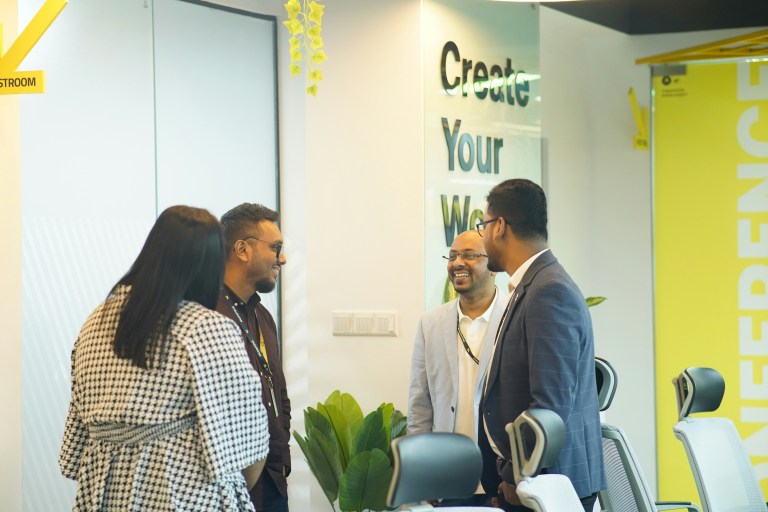
Emotional intelligence at work is often framed as a personal strength, something an individual either possesses naturally or needs to develop throughout their life. Yet in practice, it is far more powerful when emotional intelligence is treated as a shared capability in group settings, such as the workplace. When teams learn to recognise emotions, listen actively, and respond with intention, they create an environment where wellbeing is not an individual responsibility but a collective achievement. This shift speaks to a broader democratic value: we thrive when we understand one another.
Why Emotional Intelligence at Work Matters
Workplaces across Europe are becoming more diverse, fast-paced, and interconnected. Pressure builds when communication misfires, when assumptions replace dialogue, or when colleagues feel unheard. In these moments, team wellbeing is stretched, not because people lack goodwill, but because they lack shared tools for navigating emotional complexity.
Developing emotional intelligence at work, therefore, is not about teaching people to “manage feelings.” It is about strengthening the social fabric that allows trust to grow. Teams function better when they communicate openly, interpret context accurately, and give each other the psychological safety to speak honestly.
Emotional Intelligence at Work: From Individual Skill to Team Practice
Many organisations still treat emotional intelligence as something that resides within high performers or leaders. But the evidence is clear: teams benefit most when these skills are distributed, practised, and reinforced across roles. When emotional intelligence becomes a shared norm, the team shifts from reacting to pressures to engaging with them thoughtfully. This collective approach includes several behaviours:
- Listening to understand, not to respond
- Noticing emotional cues, especially when colleagues fall silent
- Checking assumptions before making decisions
- Responding with clarity, rather than urgency
- Creating space for quieter voices, so belonging is shared, not assigned
Over time, these patterns create a workplace culture where people feel respected and supported. Inclusion strengthens not through slogans but through everyday interactions.
The Link Between Wellbeing and Emotional Intelligence at Work
Team wellbeing depends on more than workload management or access to benefits. It also relies on the emotional climate shaped by daily exchanges. Emotional intelligence serves as the connective tissue between personal experience and organisational culture. Three dynamics illustrate this well:
1. Clarity in Communication Reduces Stress
Uncertainty is one of the most common sources of workplace tension. Teams with strong emotional intelligence express expectations clearly, ask clarifying questions early, and prevent misunderstandings from escalating.
2. Psychological Safety Supports Healthier Collaboration
When colleagues feel safe to speak openly, offer new ideas, or admit mistakes, they participate more fully. Emotional intelligence reinforces this safety by normalising empathy, curiosity, and non-judgmental feedback.
3. Shared Understanding Strengthens Resilience
Resilient teams are not those that avoid challenges; they are the ones that can talk about them openly. Emotional intelligence at work helps teams recognise strain early, support one another, and navigate complex situations without fracturing under pressure.
Cultural Understanding as a Foundation for Emotional Intelligence
Emotional intelligence at work becomes even more meaningful in culturally diverse environments. Intercultural awareness sharpens the ability to recognise how people express disagreement, enthusiasm, or concern in different ways. It also reminds teams that no emotional landscape is universal.
This is why human-centred training prioritises cultural literacy alongside emotional competency. The two reinforce one another: understanding cultural nuances makes empathy more accurate, and empathy makes navigating cultural differences more respectful.
Organisations such as Walk of Truth illustrate this dynamic clearly. Their long-standing work in cultural protection shows how dialogue, context, and sensitivity can bridge profound differences. Supporting such initiatives has reinforced the importance of empathy and cultural awareness as practical tools, not abstract ideals.
How Teams Can Build Shared Emotional Intelligence
Developing emotional intelligence at work at the team level is not a one-time exercise. It emerges through deliberate practice, guided reflection, and peer reinforcement. Several approaches strengthen this collective capacity:
1. Shared Vocabulary for Emotions
Using simple, accessible language to describe emotional states improves clarity. It also prevents frustration from being misinterpreted as resistance, or silence from being mistaken for agreement.
2. Regular Reflective Conversations
Scheduled moments for teams to reflect on collaboration, communication, or team dynamics help reinforce healthy patterns before tensions embed themselves.
3. Training that Builds Confidence, Not Scripts
Effective training emphasises perspective-taking, active listening, conflict resolution, and respectful inquiry. Instead of offering scripts, it builds confidence in handling real human moments with authenticity.
4. Embedding Practices into Everyday Routines
Checking in before meetings, acknowledging effort, or clarifying decisions early are small habits that accumulate into substantial improvements in wellbeing.
A Path Toward Collective Wellbeing
Emotional intelligence at work is not soft behaviour. It is a strategic capability that strengthens collaboration, trust, and overall wellbeing. When teams see emotions not as disruptions but as information, they respond with more clarity and less friction.
As workplaces continue to evolve, the teams that will thrive are those that understand each other deeply, communicate with intention, and create environments where everyone feels a sense of belonging.
To explore how human-centred training can help your teams strengthen emotional intelligence and collective wellbeing, connect with Octagon Professionals.
Emotional intelligence at work provides the foundation for healthy team dynamics and wellbeing. When approached collectively, it becomes a powerful wellbeing strategy—one that strengthens trust, builds resilience, and supports responsible leadership across the organisation.